


Chưa có sản phẩm trong giỏ hàng.
 Công tắc ổ cắm dân dụng






 Phích cắm, ổ cắm công nghiệp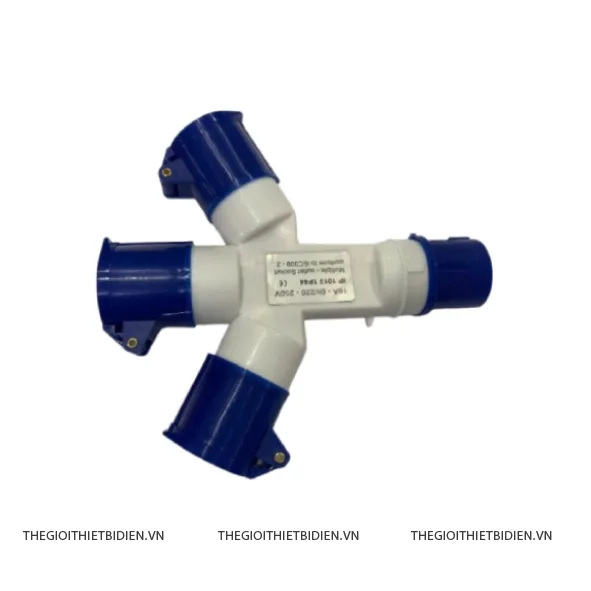
 Nhà thông minh
 Đèn chiếu sáng

 Đèn trang trí
 Thiết bị đóng cắt dân dụng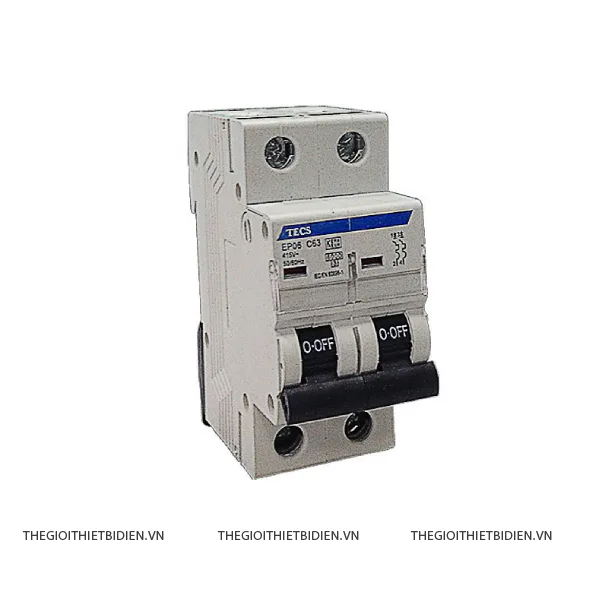
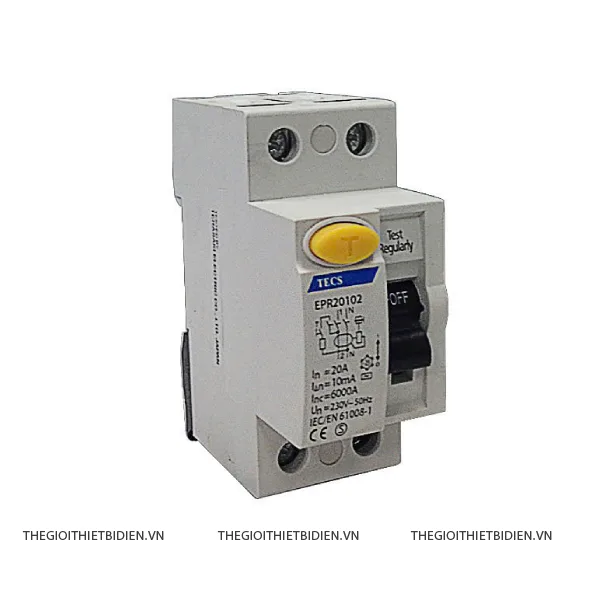
 Thiết bị đóng cắt công nghiệp
 Tủ điện dân dụng và công nghiệp
 Thiết bị điện dân dụng
Giới thiệu
Detailed analysis reveals kalshis kalshi potential within evolving event markets
- Detailed analysis reveals kalshis kalshi potential within evolving event markets
- Understanding the Mechanics of Kalshi Trading
- The Role of Margin and Collateral
- The Regulatory Landscape and Kalshi’s Position
- The Potential Applications Beyond Prediction
- Kalshi in Supply Chain Management
- The Future of Event Markets and Kalshi’s Role
- Beyond Politics: Applications in Climate and Environmental Forecasting
Detailed analysis reveals kalshis kalshi potential within evolving event markets
The world of event markets is constantly evolving, moving beyond traditional sports betting to encompass a wider range of occurrences, from political outcomes to economic indicators. Emerging within this landscape is
Kalshi aims to introduce greater transparency and efficiency to the prediction market, leveraging the wisdom of the crowd to arrive at more accurate forecasts. By establishing a regulated exchange, the platform addresses many of the concerns associated with unregulated betting environments, providing a secure and reliable space for participants. The platform’s design prioritizes liquidity and price discovery, enabling traders to express their views on future events and potentially profit from their accuracy. It’s an attempt to turn foresight into a tradable asset, attracting a diverse range of participants from sophisticated investors to casual observers.
Understanding the Mechanics of Kalshi Trading
At the heart of Kalshi lies the concept of contracts, each representing a specific event and potential outcome. These contracts are priced between $0 and $100, reflecting the market’s collective belief in the likelihood of that outcome occurring. A trader who believes an event is more likely to happen than the current market price suggests would buy contracts, hoping to sell them at a higher price closer to the event’s resolution. Conversely, a trader anticipating an event won't occur would sell contracts, aiming to repurchase them at a lower price. The profit or loss is determined by the difference between the buying and selling price.
This dynamic creates a continuous auction process where prices adjust based on new information and shifting opinions. The platform's interface provides real-time data and analytical tools to help traders assess market conditions and make informed decisions. The appeal to many lies in the potential to profit not merely from predicting the correct outcome, but from accurately gauging the speed and direction of market sentiment. This necessitates a deep understanding of the event being traded and the factors likely to influence its outcome. The platform also employs various mechanisms to ensure market integrity and prevent manipulation, including position limits and surveillance systems.
The Role of Margin and Collateral
Trading on Kalshi requires traders to maintain margin in their accounts. Margin acts as a buffer to cover potential losses and ensure the platform remains solvent. The amount of margin required varies depending on the event and the trader’s position size. Traders deposit collateral, typically in the form of USD, which is then held by Kalshi as a guarantee. This collateral is at risk if a trader’s position moves against them, and margin calls may be issued to require additional funds. Understanding margin requirements and managing risk is crucial for success on the platform. It's analogous to the concepts employed on traditional financial exchanges, though scaled for individualized event-based bets.
The margin system isn't just a protective measure for the platform; it acts as a deterrent against overly speculative trading practices. While the inherent volatility of event markets presents opportunities for significant gains, it also introduces substantial risk. By requiring collateral and implementing margin calls, Kalshi encourages responsible trading behavior and mitigates the potential for catastrophic losses. Furthermore, the margin system contributes to overall market stability by dampening extreme price swings and fostering a more predictable trading environment.
| Event | Contract Price (Initial) | Margin Requirement | Trading Volume |
|---|---|---|---|
| 2024 US Presidential Election Winner | $50 | 10% | $5 million |
| Q2 2024 GDP Growth (USA) | $55 | 15% | $2.3 million |
| Next Federal Reserve Interest Rate Decision | $48 | 8% | $1.8 million |
| Will it Snow in New York City on Christmas? | $20 | 20% | $800,000 |
This table provides a snapshot of typical events traded on Kalshi, illustrating initial contract prices, margin requirements, and trading volumes. These figures fluctuate continuously based on market conditions.
The Regulatory Landscape and Kalshi’s Position
Kalshi operates within a complex regulatory environment shaped by the Commodity Exchange Act (CEA) and the oversight of the Commodity Futures Trading Commission (CFTC). Obtaining a Designated Contract Market (DCM) license from the CFTC was a pivotal moment for the platform, allowing it to legally offer its services to a wider audience. This distinction sets Kalshi apart from many other prediction market platforms that operate in legal gray areas. The stringent requirements for obtaining and maintaining a DCM license demonstrate Kalshi’s commitment to compliance and responsible market conduct.
However, the regulatory path hasn’t been without challenges. There have been debates regarding the classification of certain events as “financial” versus “event-based,” impacting the types of contracts that can be listed. The CFTC’s ongoing assessment of the platform and its practices means that Kalshi must remain agile and adapt to evolving regulatory interpretations. Despite these hurdles, the platform views a clear and predictable regulatory framework as essential for fostering long-term growth and attracting institutional investors. The ability to navigate these complexities is a testament to the team behind Kalshi’s understanding of financial regulations.
- Increased Transparency: Kalshi's regulated exchange provides a transparent trading environment.
- Enhanced Security: The platform utilizes robust security measures to protect user funds and data.
- Wider Participation: DCM status facilitates broader access for both retail and institutional traders.
- Price Discovery: Market-based pricing mechanisms lead to more accurate forecasts.
- Risk Management Tools: Margin requirements and position limits aid in responsible trading.
These features differentiate Kalshi from less regulated counterparts, establishing a standard for trust and reliability within the predictive marketplace. The emphasis on investor protection and market integrity reflects a commitment to sustainable growth.
The Potential Applications Beyond Prediction
While primarily known as a prediction market, Kalshi’s applications extend beyond simply forecasting events. The platform’s ability to generate real-time market-based data can be valuable for various industries. For instance, businesses can leverage Kalshi’s insights to inform strategic decision-making, assess market sentiment, and manage risks associated with uncertain events. Political campaigns can utilize the platform to gauge public opinion and refine their messaging. Researchers can benefit from the data to study collective intelligence and behavioral economics.
The platform's data streams provide a unique signal that isn’t readily available through traditional polling or market research methods. The financial incentive to accurately predict outcomes drives a level of engagement and information aggregation that can yield more reliable insights. Furthermore, Kalshi’s infrastructure could be adapted to facilitate the trading of more complex and nuanced contracts, expanding its applicability to a wider range of scenarios. The inherent liquidity of the market also makes it an attractive source of data for algorithmic trading strategies.
Kalshi in Supply Chain Management
Consider the potential for Kalshi to be applied to supply chain management. Contracts could be created around the timely delivery of goods, the stability of raw material prices, or the impact of geopolitical events on logistics networks. By trading these contracts, businesses could effectively hedge against disruptions and mitigate supply chain risks. The market-based pricing of these contracts would provide valuable signals regarding potential vulnerabilities and inform proactive risk mitigation strategies. The transparent nature of the trading process allows for better visibility into potential bottlenecks and allows stakeholders to react faster to the changing environment.
This proactive approach to risk management contrasts with traditional reactive methods, where businesses often respond to disruptions after they have already occurred. By leveraging Kalshi’s predictive capabilities, companies can anticipate challenges and take steps to minimize their impact. The integration of Kalshi's data with existing supply chain management systems could create a more resilient and responsive logistical network, strengthening overall business operations.
- Identify potential risk factors within the supply chain.
- Create contracts based on these risk factors (e.g., delivery delays, price fluctuations).
- Utilize Kalshi’s market data to assess the likelihood of these risks materializing.
- Implement hedging strategies by buying or selling contracts to mitigate potential losses.
- Continuously monitor market signals to adjust risk management strategies as needed.
These steps demonstrate how a business can strategically integrate Kalshi into their supply chain risk and mitigation plan.
The Future of Event Markets and Kalshi’s Role
The event market landscape is poised for significant growth, driven by increasing demand for data-driven insights and innovative risk management tools. Technological advancements, coupled with evolving regulatory frameworks, are creating new opportunities for platforms like Kalshi to emerge and redefine how we approach prediction and forecasting. The rise of artificial intelligence and machine learning will likely play a crucial role, enabling more sophisticated trading strategies and improved market efficiency. The ability to analyze vast amounts of data and identify patterns will become increasingly important for traders seeking an edge in these competitive markets.
Kalshi is well-positioned to capitalize on these trends, thanks to its regulated status, robust infrastructure, and commitment to innovation. Expanding the range of tradable events, attracting institutional investors, and developing new features to enhance the user experience will be key priorities for the platform’s future growth. The increasing acceptance of event markets as legitimate tools for risk management and forecasting will further solidify Kalshi’s position as a leader in this emerging industry. The overall direction seems toward greater integration of these markets into wider economic and decision-making processes.
Beyond Politics: Applications in Climate and Environmental Forecasting
While much attention focuses on political and economic event markets, the potential for utilizing platforms like Kalshi to forecast climate-related events is substantial. Imagine contracts based on the severity of hurricane seasons, the likelihood of extreme weather events in specific regions, or even the success of environmental policy initiatives. The accuracy of such predictions could be vital for disaster preparedness, insurance pricing, and investment decisions related to climate resilience. A market-based approach to climate forecasting could also incentivize the collection and analysis of more accurate data, leading to a better understanding of complex environmental systems.
The challenge lies in establishing reliable data sources and developing contracts that accurately reflect the underlying risks. However, the potential benefits – enabling more informed decision-making and fostering greater preparedness for the impacts of climate change – are significant. Kalshi’s infrastructure, adapted to handle these new types of contracts, could play a crucial role in bridging the gap between scientific modeling and real-world risk assessment. This represents a compelling avenue for expanding the platform's impact and contributing to a more sustainable future.
Xem thêm:
- Biztonságos jövő kialakítása a modern technológiákkal, a https://ucyigitguvenlik.com segítségével mindenki számára
- Experiencia única de entretenimiento y grandes victorias con sol casino online ahora
- Increíble oportunidad para ganar con spin winera y duplicar tus beneficios rápidamente
- Audace, traversez la route avec le code bonus chicken road et défiez le trafic incessant pour un score parfait
- Erfolgreiche Spielerlebnisse entdecken, mit https://nvcasino-215.pages.dev für moderne Online-Casinos
Bài viết cùng chủ đề:
-
Использование зеркала Vavada для азартных игр
-
Обзор игр и бонусов Эпикстар казино в 2026 году
-
Pin Up Casino – Azərbaycanda onlayn kazino Pin-Up
-
Shikaka: Ein neuer Stern am deutschen Online-Casino-Himmel?
-
Chromabet: A Vivid New Spectrum for Australian iGamers
-
MethSpin: Is This AU’s Next Big Thing in Online Gaming?
-
Alawin: Nowa Era Rozrywki Kasynowej Online w Polsce
-
Shikaka : Votre Nouvelle Aventure Ludique Française Aurait-elle Commencé ?
-
Shikaka Kasyno: Czy Nowy Gracz Na Polskim Rynku Jest Warty Twojej Uwagi? Dogłębna Recenzja
-
Millioner Kasyno: Twoja Brama do Ekscytującego Świata Gier Online w Polsce
-
Kansino: Een Diepgaande Kijk op de Spannende Welt van Online Gokkasten en Spellen
-
Unlocking the Thrills: A Deep Dive into Casinonic’s Australian Gaming Realm
-
SpinBoss: Your Gateway to a Thrilling International iGaming Adventure
-
NV Casino: Ein neuer Stern am deutschen iGaming-Himmel?
-
Spinboss: Your Gateway to International iGaming Excellence
-
Spinboss: Your Gateway to an Exciting International iGaming Adventure


