


Chưa có sản phẩm trong giỏ hàng.
 Công tắc ổ cắm dân dụng




 Phích cắm, ổ cắm công nghiệp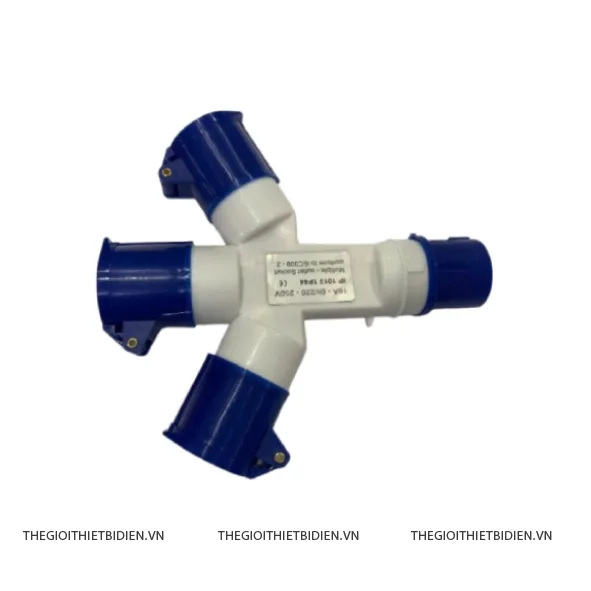
 Nhà thông minh
 Đèn chiếu sáng
 Đèn trang trí
 Thiết bị đóng cắt dân dụng
 Thiết bị đóng cắt công nghiệp
 Tủ điện dân dụng và công nghiệp
 Thiết bị điện dân dụng
Giới thiệu
Exceptional vehicle maintenance and repair services from williamsautotech.co.uk deliver lasting results
- Exceptional vehicle maintenance and repair services from williamsautotech.co.uk deliver lasting results
- The Importance of Regular Vehicle Servicing
- Understanding MOT Tests and Legal Requirements
- Advanced Diagnostics and Engine Repair Services
- The Role of Quality Parts and Skilled Technicians
- Beyond Repairs: Preventative Maintenance Packages
- Optimizing Fuel Efficiency through Vehicle Maintenance
Exceptional vehicle maintenance and repair services from williamsautotech.co.uk deliver lasting results
Maintaining a vehicle is a significant responsibility, and finding a trustworthy and skilled automotive service provider is crucial for ensuring its longevity and safety. Many vehicle owners in the local area and beyond search for reliable options when facing repairs or routine maintenance. williamsautotech.co.uk presents itself as a comprehensive solution for a wide spectrum of automotive needs, offering a commitment to quality and customer satisfaction. Their services encompass everything from standard servicing and MOT tests to complex engine diagnostics and repairs, catering to both private individuals and commercial fleets.
The automotive industry is constantly evolving, with vehicles becoming increasingly sophisticated. Consequently, the expertise required to maintain and repair these modern machines is also advancing. A modern garage needs to invest consistently in training, tools, and diagnostic equipment to stay ahead of the curve. This ensures that technicians are equipped to handle the latest technologies and provide accurate diagnoses and effective solutions. A key differentiator for any successful automotive business is building trust with its clientele through transparent communication, honest assessments, and consistently delivering on promises. It’s not simply about fixing cars; it’s about providing peace of mind to vehicle owners.
The Importance of Regular Vehicle Servicing
Regular vehicle servicing is often overlooked by drivers, yet it plays a pivotal role in preventing costly repairs down the line. A well-maintained vehicle is not only more reliable but also performs better, offers improved fuel efficiency, and retains a higher resale value. Servicing typically includes checks and replacements of essential components such as oil and filters, brake pads, tires, and fluids. These checks identify potential issues before they escalate into major problems, saving you both time and money. Ignoring preventative maintenance can lead to engine damage, transmission failures, or even safety hazards on the road. Modern vehicles contain complex systems, and early detection of even minor faults is vital.
The frequency of servicing depends on the vehicle's make, model, and driving conditions. Manufacturers typically provide recommended service intervals, but these can be adjusted based on individual usage. For example, drivers who frequently undertake short journeys or operate in harsh environments may need to service their vehicles more frequently. A comprehensive service history is also beneficial for maintaining the vehicle’s warranty and demonstrating its condition to potential buyers. It is vital to keep records of all work undertaken on the vehicle, including dates, mileage, and the specific services performed.
| Service Type | Typical Interval (Miles) | Key Checks/Replacements |
|---|---|---|
| Minor Service | 6,000 – 8,000 | Oil & Filter Change, Fluid Top-Ups, Visual Inspection |
| Full Service | 12,000 – 14,000 | Minor Service + Air Filter, Fuel Filter, Brake Check |
| Major Service | 24,000 – 28,000 | Full Service + Spark Plugs, Timing Belt (if applicable), Coolant Change |
Choosing a reputable service provider, like those found at williamsautotech.co.uk, is crucial. A skilled technician will thoroughly inspect the vehicle, identify any potential issues, and provide a clear and transparent explanation of the necessary repairs. It is always best to seek second opinions for major repairs to ensure you are getting a fair and accurate assessment.
Understanding MOT Tests and Legal Requirements
The annual MOT (Ministry of Transport) test is a legal requirement for most vehicles over three years old in the United Kingdom. It's a comprehensive safety inspection designed to ensure that vehicles meet minimum road safety and environmental standards. The test covers a wide range of components, including brakes, tires, lights, exhaust emissions, steering, and suspension. A valid MOT certificate is a legal necessity for maintaining road legality and insurance coverage. Failure to obtain an MOT certificate can result in fines and even vehicle impoundment.
While an MOT test ensures a vehicle meets the minimum safety standards, it’s important to remember that it’s not a substitute for regular servicing. An MOT test doesn’t cover everything; it focuses primarily on safety-critical components. Regular servicing addresses preventative maintenance and identifies potential problems before they become serious enough to fail an MOT. It's a proactive approach to vehicle maintenance, while an MOT is a reactive assessment of current condition. Therefore, a car can pass an MOT but still require servicing to maintain optimal performance and reliability.
- Brakes are thoroughly inspected for wear and responsiveness.
- Tires are checked for tread depth, damage, and correct inflation.
- Lights are assessed for functionality and alignment.
- Exhaust emissions are measured to ensure compliance with environmental standards.
- Steering and suspension components are examined for wear and play.
Preparing for an MOT test involves checking that all lights are working, tires are adequately inflated and have sufficient tread depth, and fluid levels are correct. Addressing any known issues beforehand can increase the chances of passing the test on the first attempt. A qualified mechanic at services like those offered by williamsautotech.co.uk can provide a pre-MOT inspection to identify and rectify any potential problems.
Advanced Diagnostics and Engine Repair Services
Modern vehicles are equipped with sophisticated electronic control units (ECUs) that manage a multitude of functions. When issues arise, diagnosing the problem can be complex, requiring specialized diagnostic equipment and expertise. Advanced diagnostic tools can access the vehicle’s ECU to retrieve fault codes, monitor sensor data, and identify the root cause of the malfunction. This is far removed from the days of simply “listening” to an engine. Modern diagnostics provide a wealth of information allowing for precise troubleshooting.
Engine repairs can range from minor fixes, such as replacing spark plugs or sensors, to major overhauls involving complete engine rebuilds. The scope of the repair depends on the severity of the problem and the age and condition of the engine. Regular oil changes, coolant flushes, and preventative maintenance can significantly extend the life of an engine. Ignoring warning signs, such as unusual noises, reduced power, or increased oil consumption, can lead to catastrophic engine failure. Therefore, prompt diagnosis and repair are essential.
- Initial Diagnostic Scan: Retrieving fault codes from the ECU.
- Component Testing: Individually testing sensors, actuators, and other components.
- Wiring Inspection: Checking for damaged or corroded wiring and connections.
- Software Updates: Applying the latest software updates to the ECU.
- Repair or Replacement: Performing the necessary repairs or replacing faulty components.
Specialized services, offered by experienced technicians at places like williamsautotech.co.uk, encompass tasks like turbocharger repair and replacement, fuel injection system servicing, and engine management system reprogramming. These procedures require a deep understanding of engine mechanics, electronics, and diagnostic protocols. A thorough approach to diagnostics and engine repair ensures a reliable and long-lasting solution.
The Role of Quality Parts and Skilled Technicians
The quality of parts used in vehicle repairs significantly impacts the longevity and reliability of the repair. Using cheap, substandard parts may save money in the short term, but it often leads to premature failure and the need for repeat repairs. Genuine manufacturer parts or high-quality aftermarket components are always recommended. These parts are designed to meet stringent quality standards and ensure optimal performance and compatibility with the vehicle. A garage’s commitment to quality parts demonstrates a dedication to customer satisfaction and delivers long-term value.
Equally important is the skill and experience of the technicians performing the repairs. A qualified technician possesses the knowledge, training, and expertise to accurately diagnose problems, perform repairs correctly, and ensure the vehicle is safe and roadworthy. Ongoing training is crucial for technicians to stay abreast of the latest advancements in automotive technology. Certification from recognized industry bodies validates a technician’s skills and commitment to professionalism. The combination of quality parts and skilled technicians is a cornerstone of exceptional automotive service.
Beyond Repairs: Preventative Maintenance Packages
Beyond addressing existing issues, proactive automotive businesses offer preventative maintenance packages designed to keep vehicles running smoothly and reliably. These packages typically include regular servicing, fluid checks, tire rotations, and brake inspections. By identifying potential problems before they escalate, these packages can save vehicle owners significant time and money in the long run. Customized maintenance plans can be tailored to the specific needs of each vehicle and driving conditions. These proactive approaches minimize the risk of breakdowns and ensure optimal vehicle performance.
Many modern preventative maintenance packages also incorporate digital elements, such as online service reminders and digital service histories. These features provide convenience and transparency for vehicle owners, allowing them to easily track their vehicle’s maintenance schedule and access service records. Furthermore, some packages include value-added benefits, such as roadside assistance and courtesy car options, adding even greater peace of mind. A well-structured preventative maintenance program is not merely a cost; it is an investment in the vehicle’s long-term health and reliability—a value frequently delivered by organizations like williamsautotech.co.uk.
Optimizing Fuel Efficiency through Vehicle Maintenance
In an era of rising fuel costs, optimizing vehicle fuel efficiency is a primary concern for many drivers. Surprisingly, regular vehicle maintenance plays a significant role in achieving this goal. Simple tasks like maintaining proper tire inflation, replacing air filters, and ensuring the engine is running optimally can significantly improve fuel economy. A clogged air filter restricts airflow to the engine, reducing its efficiency. Worn spark plugs can also lead to incomplete combustion, resulting in decreased fuel mileage.
Regular engine tuning, which includes checking and adjusting ignition timing and fuel mixture, can further enhance fuel efficiency. Additionally, ensuring proper wheel alignment minimizes tire wear and reduces rolling resistance, contributing to improved fuel consumption. Utilizing the correct grade of engine oil, as recommended by the manufacturer, is also crucial for maintaining optimal engine performance and efficiency. Taking these proactive steps can not only save money on fuel but also reduce harmful emissions, contributing to a more sustainable transportation system – a service commitment often highlighted by automotive specialists.
Xem thêm:
- Financial events gain clarity with kalshi and informed decision making
- Szórakoztató csirkemánia vár rád a chickenroad-game-hu-9.onrender.com virtuális útjain, miközben életedet kockáztatod
- Emocjonująca szansa na wygraną dzięki magneticslots i strategii w kasynie online
- Increíbles oportunidades con fortunegem.com.mx para inversores inteligentes y decididos
- Uitgebreide kansen en thelolajack-casino.nl bieden spannend vermaak voor elke speler
Bài viết cùng chủ đề:
-
Использование зеркала Vavada для азартных игр
-
Обзор игр и бонусов Эпикстар казино в 2026 году
-
Pin Up Casino – Azərbaycanda onlayn kazino Pin-Up
-
Shikaka: Ein neuer Stern am deutschen Online-Casino-Himmel?
-
Chromabet: A Vivid New Spectrum for Australian iGamers
-
MethSpin: Is This AU’s Next Big Thing in Online Gaming?
-
Alawin: Nowa Era Rozrywki Kasynowej Online w Polsce
-
Shikaka : Votre Nouvelle Aventure Ludique Française Aurait-elle Commencé ?
-
Shikaka Kasyno: Czy Nowy Gracz Na Polskim Rynku Jest Warty Twojej Uwagi? Dogłębna Recenzja
-
Millioner Kasyno: Twoja Brama do Ekscytującego Świata Gier Online w Polsce
-
Kansino: Een Diepgaande Kijk op de Spannende Welt van Online Gokkasten en Spellen
-
Unlocking the Thrills: A Deep Dive into Casinonic’s Australian Gaming Realm
-
SpinBoss: Your Gateway to a Thrilling International iGaming Adventure
-
NV Casino: Ein neuer Stern am deutschen iGaming-Himmel?
-
Spinboss: Your Gateway to International iGaming Excellence
-
Spinboss: Your Gateway to an Exciting International iGaming Adventure


